Key Highlights
- The CFTC sued Illinois, arguing that federal law overrides the state’s crackdown on prediction markets.
- The dispute centers on whether platforms like Kalshi and Polymarket fall under federal derivatives rules or state gambling laws.
- The case could set a precedent on how prediction markets are regulated across federal and state jurisdictions.
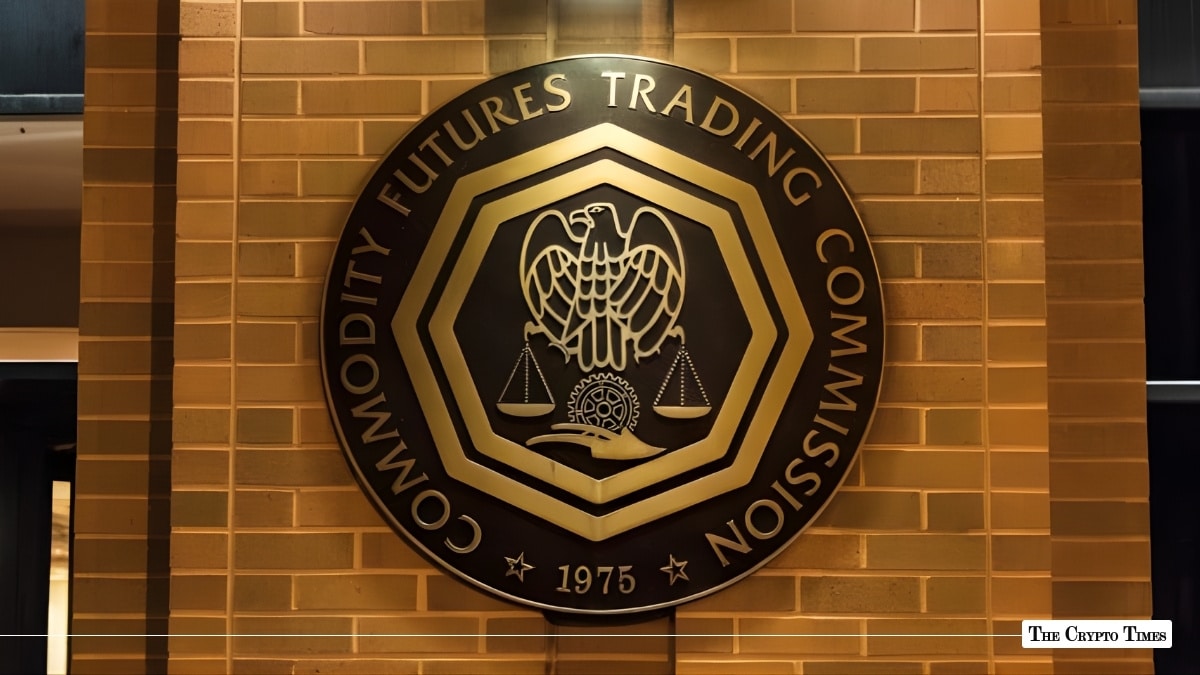
The Commodity Futures Trading Commission (CFTC) has filed a lawsuit against the state of Illinois, seeking to halt what it describes as unauthorized state intervention in prediction markets.
According to the official release, the complaint, filed in federal court in Chicago, argues that Illinois overstepped its authority by attempting to regulate platforms that fall under federal derivatives law. At the center of the dispute is whether prediction market operators should be treated as federally regulated exchanges or as entities subject to state-level gambling rules.
Dispute over regulatory authority
The CFTC’s position is rooted in jurisdiction. It claims that designated contract markets operating under its oversight are part of the national derivatives framework, placing them outside the reach of individual state enforcement actions.
Illinois authorities, however, moved against several platforms after determining that their offerings resembled unlicensed sports betting. The state’s gaming regulator issued cease-and-desist notices, triggering the federal response.
The lawsuit frames this as a direct conflict: federal oversight of swaps and event contracts versus state enforcement of gambling laws.
Platforms caught in the middle
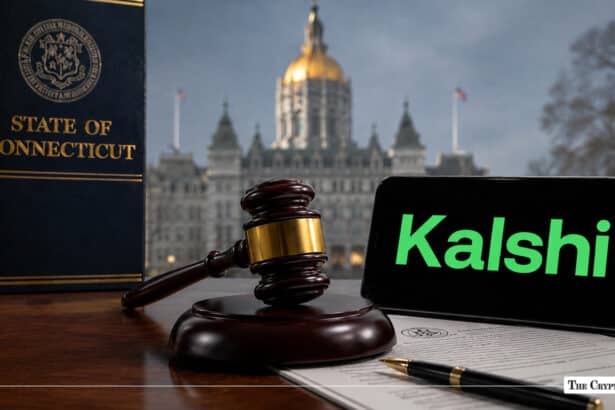
The enforcement actions targeted companies, including Kalshi, Polymarket, and Crypto.com. Each has offered forms of event-based trading that allow users to speculate on outcomes ranging from elections to sports.
Illinois regulators argued that such activity crossed into prohibited wagering. The CFTC, by contrast, treats certain event contracts as legitimate derivatives products when listed on approved venues.
This divergence has left operators navigating inconsistent rules depending on jurisdiction.
Political and legal stakes
The suit names senior state officials, including Governor J. B. Pritzker and Attorney General Kwame Raoul, alongside members of the state gaming board.
It also marks the first time the CFTC has taken legal action to block a state regulator from policing prediction market activity. The outcome could clarify how far states can go in applying gambling statutes to platforms that claim federal derivatives status.
A broader test for prediction markets
At issue is more than a single enforcement action. Prediction markets have expanded into areas traditionally regulated either as financial products or as betting activity, without a clear boundary between the two.
The case may set a precedent for how those lines are drawn. If the federal government prevails, it could reinforce a single regulatory framework for event-based contracts. If not, platforms may face a patchwork of state-level restrictions alongside federal oversight.
For now, the dispute underscores a structural tension: whether emerging financial products tied to real-world events belong under derivatives law, gambling law, or both.
Also Read: U.S. Treasury Moves to Enforce Stablecoin Law, Seeks Public Input